When foreign companies venture into the Italian market, compliance with local labour laws and regulations becomes a crucial aspect of operations. One essential document that companies working in Italy need to be aware of is the DURC (“Documento Unico di Regolarità Contributiva”).
What is the DURC?
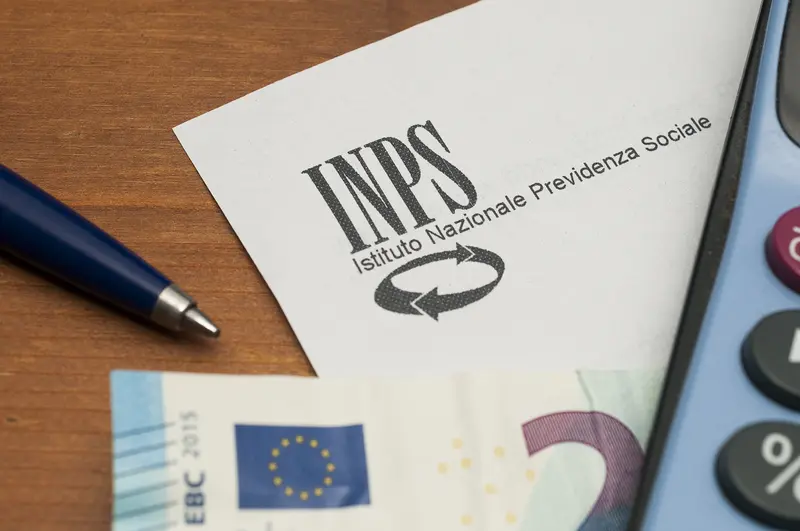
The DURC, or Certificate of Social Security Compliance, is an official document issued by Italian authorities that certifies a company’s compliance with social security and insurance contribution requirements. In simpler terms, it verifies that a company has fulfilled its obligations toward the National Institute for Social Security (INPS), the National Institute for Insurance Against Accidents at Work (INAIL), and, in some cases, construction industry-specific entities such as Casse Edili.
This certificate is not merely a bureaucratic requirement but a legal necessity for companies operating in Italy. It ensures that workers’ rights are protected and that companies contribute to the welfare system appropriately.
Why is the DURC Important?
For foreign companies, the DURC serves multiple purposes:
- Legal Compliance: Italian law mandates that companies must obtain a valid DURC to participate in public tenders, receive payments for public contracts, and execute certain private agreements.
- Business Credibility: Holding a DURC demonstrates a company’s commitment to fair labour practices and legal compliance. This can enhance reputation and foster trust with local partners.
- Avoidance of Penalties: Non-compliance with DURC requirements can lead to severe penalties, including fines, suspension of activities, or exclusion from public tenders.
- Worker Protection: The DURC guarantees that workers employed by the company are covered by social security and insurance systems, aligning with Italy’s strong labour protections.
Who Needs the DURC in Italy?
The DURC is required for any entity operating in Italy, including:
- Italian companies
- Foreign companies employing workers in Italy, whether directly or through subcontracting arrangements
- Companies participating in public procurement projects
- Organizations in the construction industry
For foreign companies, the DURC becomes particularly relevant when posting workers to Italy. This process requires adherence to Italian labour laws, including obtaining a DURC to demonstrate compliance with social security contributions for posted workers.
To understand more about posting workers to Italy, visit this guide on posting workers.
How Can Foreign Companies Obtain the DURC?
Obtaining a DURC can be a multi-step process, especially for foreign entities unfamiliar with the Italian system. Here is an outline of the steps involved:
1. Register with Italian Authorities
Foreign companies must first register with INPS and INAIL. This step involves:
- Acquiring an Italian tax code (Codice Fiscale)
- Registering as an employer with INPS and INAIL
2. Ensure Compliance with Social Security Contributions
Companies must pay social security contributions for all workers employed in Italy. For posted workers, contributions may depend on agreements between Italy and the home country, such as bilateral social security treaties.
3. Request the DURC
Once registered and compliant, companies can request the DURC online through the portals of INPS, INAIL, or Casse Edili (if applicable).
The DURC is typically issued within 30 days and remains valid for 120 days from the date of issuance.
DURC or Equivalent Documentation
Foreign companies, whether from EU member states or non-EU countries, that post workers to Italy are required to demonstrate compliance with their social security obligations. This can be achieved by producing either the DURC or an equivalent certification issued by the competent authorities in their home country.
It is important to note that self-certification by the employer, pursuant to Article 46 of DPR No. 445/2000, is not sufficient—even if accompanied by documentation such as payment models for social security contributions. This is because the verification of a company’s contribution compliance must originate from the creditors of the contributions (e.g., INPS or INAIL), not from the debtor (the employer).
The Italian Ministry of Labor clarified this requirement, emphasizing that only official documentation, such as the DURC or an equivalent certificate from the employer’s home country, is acceptable. This principle was upheld in the ruling of the Italian Council of State (sent. No. 4035, dated 25.08.2008).
DURC in Italy: Challenges for Foreign Companies
Navigating the DURC process can be complex for foreign entities, mainly due to differences in legal systems and language barriers. Common challenges include:
- Understanding Italy’s intricate labour and tax regulations
- Aligning social security contributions across different jurisdictions
- Managing the administrative burden of registration and compliance
For foreign companies in specific industries like construction, compliance with the DURC is tied to additional requirements, such as the “Patente a Crediti.” Learn more about this system on this page on Patente a Crediti.
DURC for Posted Workers
Foreign companies posting workers to Italy must ensure compliance not only with the DURC requirements but also with European Union directives on posted workers. These directives aim to guarantee fair treatment and rights for employees temporarily working in another EU country.
Key considerations include:
- Notifying Italian authorities about the posting
- Verifying whether the workers are covered under their home country’s social security system (via A1 certificates)
- Ensuring that the posted workers’ terms and conditions comply with Italian labour standards
Establishing a Long-Term Presence in Italy
Foreign companies planning to work in Italy for more than six months in a year may consider establishing a more permanent presence. This can be done by opening a permanent establishment, branch, or subsidiary. These structures not only facilitate smoother operations but also ensure long-term compliance with Italian labour and tax laws. Consulting with local legal experts can help determine the most suitable structure based on the company’s needs and objectives.
Simplifying DURC Compliance for Foreign Companies
To streamline the process, foreign companies can take the following steps:
1. Engage Local Experts
Partnering with Italian legal and accounting professionals can help foreign companies navigate the complexities of DURC compliance. These experts can:
- Handle registrations and filings
- Ensure accurate contribution payments
- Manage communications with Italian authorities
2. Leverage Digital Tools
Italian authorities have digitized several processes, including DURC requests. Companies should familiarize themselves with online platforms like INPS and INAIL to ensure timely submissions.
3. Stay Updated on Regulations
Labour and tax laws in Italy can change frequently. Keeping abreast of these changes ensures ongoing compliance and avoids penalties.
4. Regular Audits
Conducting periodic audits of contributions and compliance measures can help identify and address issues proactively.
Conclusion
For foreign companies operating or posting workers in Italy, understanding and obtaining the DURC is an essential step in ensuring legal compliance and fostering business credibility. While the process may seem daunting, leveraging local expertise and digital tools can simplify the journey.
By staying compliant, companies not only avoid legal pitfalls but also contribute positively to Italy’s robust labour and social security system, paving the way for successful operations in the Italian market.






 Complete Guide to Establishing Your Fashion Company in Italy
Leave a Reply