
Table Of Contents:
- Understanding the Italian Transport and Logistics Market
- Legal Requirements and Business Structure for Transport Companies in Italy
- Obtaining Necessary Licenses and Permits
- Setting Up Your Transport and Logistics Operations
- Recruiting and Managing Staff for Your Business
- Marketing and Growing Your Transport and Logistics Business in Italy
- Frequently Asked Questions
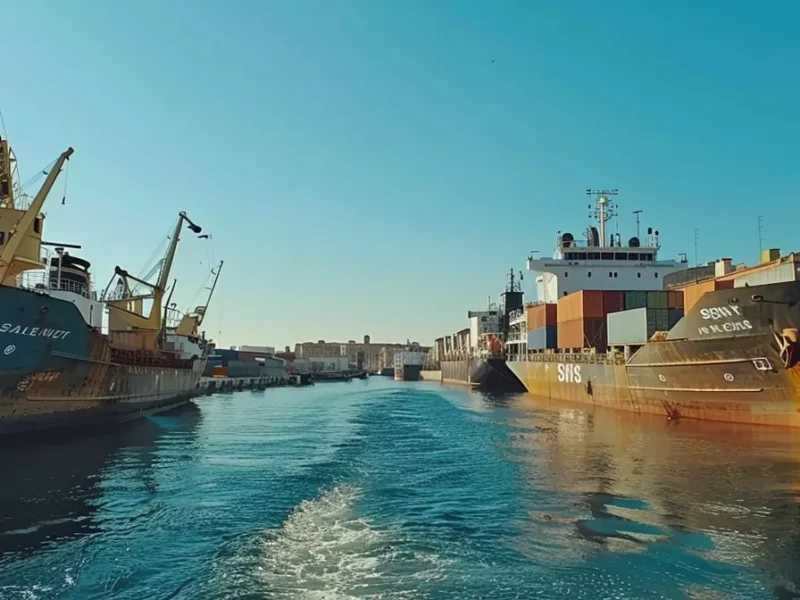
Setting Up a Transport Company in Italy demands a strategic understanding of the market’s intricacies. This guide offers critical insights into the legal frameworks, the steps for obtaining licences and establishing operations, and practical strategies for recruiting and expanding your enterprise.
You will glean valuable knowledge on aligning your company with Italy’s customs regulations and navigating warehouse management challenges.
Understanding the Italian Transport and Logistics Market
Italy’s transport and logistics sector is a critical component of the country’s link to Europe, presenting distinct opportunities and challenges. This overview will scrutinise market demand, explore the competitive landscape, and highlight innovations essential for efficient cargo management. As foreign businesses and beyond seek to engage with this vibrant market, understanding these dynamics is vital for successful entry and growth.
Overview of the Transport Sector in Italy
Italy’s transport sector stands as a crucial gateway to the European and Worldwide market, with sustainability becoming an increasingly central concern. This sector has been progressively embracing eco-friendly practices to meet the growing demand for green logistics solutions, reflecting a shift towards more responsible modes of cargo transport.
Companies looking to enter the Italian market would do well to consider implementing sustainable strategies that align with both consumer expectations and regulatory standards.
Italy’s strategic position, serving as a link between European countries, Africa and the vibrant markets of Asia, underscores the significance of securing robust contracts and partnerships. Understanding the market nuances, including the complex network of regulations and competitive landscape, is indispensable for businesses seeking to establish a foothold.
Crafting a business model that leverages Italy’s unique location will be pivotal in tapping into the full potential of the transport and logistics sector within the region.
Key Opportunities and Challenges in the Industry
Entrepreneurs launching a transport and logistics business in Italy will find a wealth of opportunities, particularly when connecting with major European and Asian economies.
Establishing an efficient supply chain that seamlessly integrates Italian logistics with these markets offers immense potential. Success hinges on one’s ability to navigate the unique complexities of trans-European transportation corridors.
The market’s robust demand for integrated logistics solutions presents a promising landscape for businesses willing to innovate in this sector.
However, the industry is not without its challenges. Stringent regulatory environments, especially in geographic regions such as Spain and Germany, demand a high level of compliance, which can be a significant hurdle for new entrants.
The complexities associated with establishing a foothold in the Netherlands or Poland, both crucial nodes within the European supply chain, require tailored strategies and localised expertise to overcome operational obstacles:
- Adapting to diverse regulatory requirements.
- Navigating competitive marketplaces to establish a presence.
- Developing partnerships that strengthen cross-border transport links.
Analyzing Competitors and Market Demand
Critically analysing competitors and market demand is fundamental in the realm of transport and logistics in Italy. Businesses must gather comprehensive information on dominant market players in logistics, their service offerings, and their clientele.
For instance, a venture should consider existing contracts that large players have secured within the global market, how these affect Italian corridors, and compare insurance policies and inventory management systems that these established entities use. A successful new entrant will align resources to fill service gaps, improve efficiency, or offer competitive rates, thereby carving out a niche within this bustling sphere.
Furthermore, understanding the nuances of market demand, from local manufacturing to India’s thriving export sector, is essential. Effective logistics partnerships must navigate the demand-driven vicissitudes of the market, underpinned by robust forecasting and agile response capabilities.
On the ground, this means insights into Italy’s role in global commerce, inventory requirements that fluctuate seasonally or due to international events, and developing risk mitigation strategies, including comprehensive insurance coverages, are critical to a transport and logistics business aiming to withstand and capitalize on the global dynamics impacting Italy.
Legal Requirements and Business Structure for Transport Companies in Italy
Embarking on a transport and logistics venture in Italy necessitates a solid grasp of the nation’s legal structure to lay a robust foundation for successful supply chain management.
This section aids entrepreneurs in selecting an appropriate legal form for their business, streamlines the registration process with Italian authorities, clarifies tax obligations, and outlines compliance with local employment laws.
It is crucial for establishing reliable rail transport and air cargo connections and expanding operations to other continents.
Choosing the Right Legal Form for Your Business
When launching a transport and logistics business in Italy, choosing the appropriate legal form is a critical decision. For those targeting manufacturing supply chains, offering courier services on Italy’s extensive road network, or managing pallet transport, the options range from a Sole Proprietorship for smaller, local operations to a Società per Azioni (joint-stock company) suitable for larger scale endeavours, potentially involving partners from abroad or other international entities.
The selected legal structure will influence not just taxation and liability but also the ability to scale operations and attract investment. It is essential to align the business structure with the company’s operational goals—whether positioning the firm to expedite courier deliveries or consolidate freight destined for foreign markets—while also ensuring compliance with Italian commercial regulations.
- Assessment of the scale and scope of intended transport operations
- Evaluation of potential partnerships within and outside of Italy
- Understanding of fiscal liabilities and investment opportunities
Registering Your Company With Italian Authorities
Embarking on the journey to establish a transport and logistics company in Italy requires precise coordination with Italian authorities. An essential step is the registration of the company, a process which lays the foundation for a legal partnership and solidifies its presence within the Italian business infrastructure. Attention to detail in this phase is paramount, as it impacts future operations.
As the transport and logistics sector undergoes digital transformation, companies must ensure that their registration is in harmony with the latest e-government initiatives in Italy. This integration is not merely a compliance issue but a strategic advantage, streamlining processes and facilitating smoother collaborations with international and domestic infrastructure partners.
Engaging with authorities digitally reduces bureaucratic delays and lays the groundwork for a robust operational framework across the region.
- Secure a legal partnership and affirm your business in Italy’s official records.
- Optimise the benefits of digital transformation in the registration process.
- Forge connections with infrastructure systems in Italy.
Tax Obligations and Fiscal Responsibilities
Understanding tax obligations and fiscal responsibilities is key for transport and logistics businesses establishing operations in Italy, especially when considering expanding trade routes outside the European Union.
Companies must be well-versed in Italian taxation laws, which will affect business models, mainly if a fleet of trucks is used for transportation. Automation in record-keeping can significantly assist in managing tax reporting and payments, ensuring compliance while streamlining operations.
Tax regulations can become significantly more complex for entities with transport links to China and other international partners. Robust systems in place for accurate tariff calculations and tax submissions are imperative.
This not only maintains financial health but also aids in forging trust in the Italian marketplace. Critical financial touchpoints include:
- Accurate documentation of import and export tariffs when dealing with China market.
- Meticulous accounting for VAT and corporate taxes associated with truck fleet management.
- Implementation of automated systems to efficiently handle tax obligations and audit processes.
Compliance With Italian Employment Laws
Compliance with Italian employment laws is paramount for any transport and logistics business intending to operate successfully, not least when coordinating with labour-intensive markets like Turkey, Hungary, and Romania.
To safeguard against legal pitfalls, it is essential to have a profound understanding of contractual obligations, work hours, and employee rights. Businesses operating in or through Milan, a crucial commercial hub, must give due consideration to local agreements that might dictate more stringent labour practices.
Data pertaining to employee relations must be managed with meticulous regard for privacy and accuracy in accordance with the European Union’s General Data Protection Regulation (GDPR).
Those establishing transport and logistics operations must navigate the complexities of the Italian labour market and ensure their policies reflect the most current data protection statutes. This is critical for fostering a compliant and trustworthy working environment, which in turn contributes to a business’s integrity and reputation in the transport sector.
Obtaining Necessary Licenses and Permits
Securing the necessary licenses and permits is a crucial step in establishing a transport and logistics business in Italy. Entrepreneurs need to apply for a Transport Operator License, which incorporates elements related to material handling and adheres to safety and environmental standards.
Understanding the role of the National Transport Authority in this process is equally critical. The lifespan of the business model greatly depends on regular renewal and diligent maintenance of the licenses, a standard practice in trade industries that involve vehicle operations. Subsequent sections will outline further details, providing practical insights into these areas and ensuring compliance for businesses with intentions to integrate into or expand through the Luxembourg corridor.
Applying for a Transport Operator License
Securing a Transport Operator License is an essential step for establishing a transport and logistics business in Italy. This not only ensures compliance with national safety and environmental regulations but also positions the brand for reputable service provision.
The application process requires specific attention to detail and adherence to the standards set forth by the Italian National Transport Authority.
Prospective business owners must demonstrate their capability to manage and operate transport services efficiently, which is a prerequisite for the issuance of the Transport Operator License. This meticulous process signals to clients the business’s commitment to upholding Italy’s rigorous transport standards. For those navigating the Adriatic Sea, this license serves as a testament to their operational integrity and professional standing in the European market.
Meeting Safety and Environmental Standards
Meeting safety and environmental standards is a non-negotiable facet of conducting a transport and logistics business in Italy, as well as managing cross-border consignments.
Firms must demonstrate diligence in adhering to the stringent European Union regulations covering vehicle emissions, load security, and driver health and safety protocols. This compliance not only minimizes environmental impact but also underlines a company’s commitment to sustainability and safety, which are pivotal considerations in today’s market.
Outsourcing parts of the logistics process can present opportunities for businesses to streamline operations while maintaining high safety and environmental standards. For instance, partnering with Nordic firms experienced in navigating Norway’s mountainous terrain or with Eastern European companies versed in the complexities of Ukrainian trade routes supports risk management and enhances eco-friendly practices.
The key steps to ensuring compliance in these areas include:
- Employing industry best practices to meet the EU’s safety and environmental benchmarks.
- Strategic outsourcing to reputable partners aligned with Italy’s rigorous standards.
- Regular audits and updates to operational protocols in accordance with the latest EU legislation.
Understanding the Role of the National Transport Authority
The National Transport Authority in Italy plays a crucial role in the regulation and oversight of transport and logistics enterprises, ensuring they operate within the legal frameworks designed to maintain high standards of customer service and safety.
Entrepreneurs aiming to establish pathways into EU markets must secure approval from this body, confirming their adherence to the required practices, including the integration of advanced technology in their operations.
As the authority responsible for issuing vital licenses and permits, the National Transport Authority ensures that all transport and logistics services meet the legislative requirements, protecting the interests of the consumer and fostering a competitive market.
Recognising the authority’s significance is essential for any business striving to offer dependable transport networks throughout Italy and into neighbouring regions such as Denmark, Croatia, and Greece, ultimately enhancing their customer service and operational efficacy.
Renewal and Maintenance of Licenses
Licence maintenance and timely renewal are the cornerstones of continuous operations in the Italian transport and logistics sector.
Entrepreneurs should be vigilant about the validity periods and renewal procedures for licences such as the Transport Operator License, which is pivotal for legitimate business practices and uninterrupted service provision.
To streamline the renewal process and maintain up-to-date licences, thorough internal systems must be adopted. These will keep track of expiration dates and necessary documentation, ensuring compliance with the National Transport Authority’s regulations:
- Implementation of reminders for the renewal of all operational licences.
- Meticulous record-keeping to aid in the timely submission of renewal applications.
- Regular review of regulatory changes that could affect licensing requirements.
Setting Up a Transport Company in Italy and Your Transport and Logistics Operations
Setting Up a Transport Company in Italy involves several foundational steps. Key among them is acquiring robust vehicles and state-of-the-art equipment essential for the safe and efficient movement of goods. Companies must also implement advanced logistics and supply chain management systems to navigate the complex distribution networks from Rome to the rural reaches of Sicily.
Furthermore, adequate insurance and risk management strategies are indispensable in safeguarding against potential operational hazards. Lastly, harnessing technology is crucial to drive operational efficiency, ensuring that the business stays competitive in Italy’s intricate transport landscape.
Acquiring Vehicles and Equipment
For entrepreneurs aiming to launch a transport and logistics business in Italy, sourcing the right fleet of vehicles and equipment is fundamental. This requires a strategic investment in reliable transportation solutions that align with the nation’s robust infrastructure, which includes bustling motorways and the narrow streets characteristic of its ancient cities.
This initial step sets the stage for efficient, cost-effective operations and is key to winning client trust in a competitive market.
Selecting appropriate equipment for material handling and logistics operations entails a careful evaluation of the company’s service offerings: Will it focus on local deliveries or long-haul transportation? Each type of service demands specific vehicles and technology.
Having access to a fleet with the latest advancements in fuel efficiency and navigation systems not only reduces operational costs but also adheres to Italy’s stringent environmental standards:
- Invest in a versatile fleet capable of navigating diverse Italian landscapes.
- Incorporate cutting-edge technology to ensure compliance with eco-friendly regulations.
- Select equipment that boosts operational efficiency and enhances service reliability.
Implementing Logistics and Supply Chain Management Systems
When setting Up a Transport Company in Italy, implementing logistics and supply chain management systems is crucial for capturing efficiencies and providing superior customer service.
These systems serve as the backbone of the operation, influencing everything from warehousing and inventory management to shipping and tracking. A sophisticated system tailored to the firm’s specific requirements can facilitate real-time updates, enhance transparency and accelerate decision-making processes.
Investing in technology that integrates with global supply chain networks is essential; it enables Italian businesses to remain competitive and responsive to market changes. Systems should be equipped to handle the complexities of international trade, ensuring compliance and efficient handling of customs procedures:
- Employ a system capable of scaling with the business as it grows and enters new markets.
- Use cloud-based logistics solutions to provide accessibility and facilitate collaboration across different geographies.
- Incorporate advanced analytics for data-driven decision-making and to optimise supply chain performance.
Insurance and Risk Management Strategies when Setting Up a Transport Company in Italy
Robust insurance and risk management strategies are crucial linchpins for any transport and logistics business launching in Italy.
These measures protect assets against unforeseen events and liability, illustrating due diligence in safeguarding the company’s long-term viability. Tailored insurance coverage, including cargo, liability, and vehicle insurance, is vital for mitigating potential financial losses and maintaining operational stability.
To implement these strategies effectively, a business must assess specific risks associated with its operations and customer base.
This involves identifying the key areas of vulnerability and structuring insurance policies to cover these risks adequately. By prioritising risk management, transport firms establish a resilient base in a sector known for its susceptibility to myriad operational uncertainties:
- Assessing potential risks in the transport and logistics process.
- Structuring insurance policies to cover identified risks comprehensively.
- Prioritising continuous risk analysis to adapt and strengthen strategies over time.
Utilizing Technology for Operational Efficiency
In the competitive landscape of Italy’s transport and logistics sector, deploying technology is pivotal for achieving operational efficiency.
Companies harnessing platforms that facilitate route optimisation and real-time tracking not only boost productivity but also significantly reduce costs. The application of these technologies allows firms to respond swiftly to changing traffic patterns, ensuring timely deliveries and a more substantial reputation amongst Italian consumers.
Further, the integration of automated systems for inventory management transforms warehouse operations, diminishing the potential for human error and augmenting accuracy in supply chain processes.
This implementation exemplifies how strategic use of technology empowers transport businesses in Italy to scale operations smoothly and meet the demands of an evolving market with agility and precision.
Recruiting and Managing Staff for Your Business
One critical pillar of establishing a transport and logistics business in Italy is the strategic recruitment and management of staff. Success hinges on hiring qualified drivers and logistics personnel, who are the driving force behind efficient operations.
Concurrently, the implementation of rigorous training and development programmes ensures a workforce capable of adhering to the highest standards of service delivery.
Moreover, well-defined HR policies and procedures, alongside compliance with health and safety regulations, are non-negotiable to maintain workplace integrity and resilience. This section delves into these vital components, offering grounded insights for entrepreneurs on assembling and nurturing a top-tier team.
Hiring Qualified Drivers and Logistics Personnel
Hiring qualified drivers and logistics personnel is a critical step in establishing a successful transport and logistics business in Italy. These individuals are the lifeblood of logistics operations, responsible for the swift and safe delivery of goods across the intricate Italian road network.
Businesses must ensure these employees possess not only the requisite driving licenses but also a deep understanding of transport regulations and customer service excellence.
To attract and retain top talent in the transport sector, companies must offer competitive compensation packages, continuous professional development opportunities, and a work environment that prioritises safety and ethical practices. The business’s reputation for quality employment conditions directly influences its ability to enlist skilled personnel:
- Fostering a culture of continuous learning and development.
- Emphasising the importance of safety and regulatory knowledge.
- Offering competitive salaries and benefits to attract the best drivers and logistics staff.
Training and Development Programs
Investment in training and development programmes is non-negotiable for firms eager to assert their presence within Italy’s logistics sector.
These programmes are designed to ensure staff remain adept in the latest industry standards and technologies, thereby enhancing the company’s competitive edge. Implementing regular training sessions not only bolsters the workforce’s skill set but also signifies a company’s commitment to excellence and continuous improvement.
Well-crafted training and development persist as a cornerstone for fostering operational expertise among transport and logistics personnel. The returns on such investment manifest in improved efficiency, a reduction in operational mishaps, and heightened customer satisfaction. By equipping employees with the knowledge and skills necessary for navigating the complexities of supply chain management, these programmes secure the company’s position as a leader in Italian transport logistics.
- Ensure staff proficiency in industry standards and emerging technologies.
- Conduct regular training to promote continuous professional growth.
- Translate investment into operational efficiency and customer satisfaction.
Establishing HR Policies and Procedures
Establishing robust HR policies and procedures is essential for maintaining legal compliance and promoting a positive workplace culture in a transport and logistics business in Italy. Clear guidelines on recruitment, performance evaluations, and grievance handling are foundations for transparent and fair human resources management.
By emphasising regulatory adherence and establishing unambiguous standards, companies mitigate risks and enhance staff loyalty.
Moreover, a comprehensive understanding of Italian labour laws ensures that employment practices within the transport and logistics sector effectively safeguard employee rights and company interests.
Articulating explicit procedures for staff conduct, health and safety protocols, and ongoing training not only aligns with legal requirements but also encourages a cohesive and proficient workforce. Key elements of these policies include:
- Developing clear job descriptions and recruitment criteria to attract qualified candidates.
- Articulating transparent procedures for performance management and career progression.
- Ensuring consistent adherence to health and safety regulations in all aspects of operations.
Health and Safety Regulations in the Workplace
Ensuring adherence to health and safety regulations is imperative for any transport and logistics business operating in Italy. It is not only a legal requirement but also a fundamental aspect of creating a safe workplace for all staff.
Companies must regularly evaluate and update their practices in line with Italian legislation to prevent workplace injuries and uphold high standards of operational safety.
- Conducting risk assessments to identify potential hazards within logistics operations.
- Providing necessary personal protective equipment and training for employees.
- Implementing emergency protocols and regular safety drills to prepare for unforeseen events.
Moreover, meticulous management of safety measures directly impacts staff morale and productivity, which in turn can influence the overall efficiency of the business.
Frequently Asked Questions
What are the critical characteristics of Italy’s transport and logistics sector?
Italy’s transport and logistics sector is characterized by its strategic geographic position, extensive port infrastructure, advanced road and rail networks, and pivotal role in Mediterranean trade.
Which legal entity is most suitable for transport businesses in Italy?
In Italy, the limited liability company, known as ‘Società a responsabilità limitata’ (S.r.l.), is highly suited for transport businesses. It offers flexibility, limited personal risk, and favourable tax options.
How does one acquire transport and logistics licenses in Italy?
Obtaining transport and logistics licenses in Italy necessitates registering a business, securing the LIC-1 form, and fulfilling Chamber of Commerce requirements after meeting the set financial and professional competence standards.
What are the steps to initiate a transport and logistics operation?
Establishing a transport and logistics operation involves market analysis, obtaining necessary licenses, securing vehicles and technology, and developing efficient supply chain management processes to ensure reliable, compliant delivery solutions.
What strategies can expand a transport and logistics business in Italy?
Expanding a transport and logistics business in Italy can be achieved through strategic partnerships, investing in innovative fleet management technology, and exploring new market segments like eco-friendly logistics solutions.








 Patente a Crediti for workers in Italy
Leave a Reply